How to Make a Website That Ranks No. 1 on Google
How to make a website that people actually find — and Google can’t ignore? Good looks mean little if your page stays hidden. What really matters is how you shape it so visitors enjoy the experience and keep coming back. That’s when a website starts working for you.
Kategorije:
Kazalo vsebine
- What Makes a Website Successful
- How to Make a Website with Content That Works
- How to Make a Website That’s Technically Optimized
- Don’t Skip Content Optimization for SEO
- Good User Experience and Mobile Optimization
- Make Your Website Visible in Google Search
- How to Make a Website That Brings Real Results


A website that people abandon within seconds won’t bring results. The question is how to make a website that truly performs. It begins with smart choices — the right platform, a domain that sticks, fast hosting, and a design that guides visitors naturally.
Overlook these, and your competition will stay ahead. The truth is, the best-performing websites are built on simple principles that are easy to get right once you know where to look.
What Makes a Website Successful
1. Choosing the right platform
The platform you start with decides how far your website can go. If you want something easy to manage and strong in Google results, WordPress is the clear winner. It gives you full control, endless plugins for SEO, and a huge community that keeps improving it.
Wix and Shopify are fine if you need simplicity or you’re building a store, but they come with limits. Wix is great for quick setup, Shopify shines for e-commerce, yet both give you less freedom when it comes to SEO optimization.
2. Your domain is your digital handshake
Your domain name is the first thing people see — and remember. Keep it short, relevant, and clean. Complicated names, numbers, or strange symbols make you look unprofessional.
If you sell cakes, sweet-cakes.com will always beat cakes123456.com. A good domain is easy to type, easy to recall, and instantly says who you are.
3. Hosting that powers your site instead of slowing it down
Fast hosting is one of the easiest SEO wins. Choose a provider known for speed, uptime, and support. SSD servers, backups, and reliable performance matter more than saving a few euros.
Slow hosting frustrates visitors and drags you down in search results. A stable, quick site builds trust and keeps people around longer.
4. Design that makes people stay
A good website looks clean, feels intuitive, and works perfectly on any screen. Since most people browse on their phones, responsive design isn’t optional anymore.
Keep menus simple, text readable, and buttons big enough to tap without frustration. The right design guides visitors smoothly through your content — and keeps them coming back.

How to Make a Website with Content That Works
When someone opens your website, they expect value right away. If they can’t find it, they close the tab and move on. Strong content keeps them there — it speaks directly to what they need and makes them feel understood. Without it, even the best-looking site fades into the background.
The websites that perform are the ones that sound human and guide people to act without pressure.
Write Content That Solves Problems
Good content does more than fill a page — it helps. Talk about what matters to your readers and make every line worth their time.
If you’re selling a product, show how it makes life easier. If you run a blog, give real answers people are already searching for. Keep the tone clear and natural, without overexplaining.
Readers stay when they feel you understand them. Add a bit of warmth or humour, and they won’t just visit — they’ll remember you.
Use Keywords Naturally and Win with SEO
Want to make a website that shows up on Google? Keywords can get you there — if you use them with care.
Add them where they truly belong, like in titles, introductions, and meta descriptions, but never force them in. Google spots it the moment you overdo it, and your ranking pays the price. Let keywords blend into sentences that sound natural to a real person.
Use related phrases and variations that show you know your topic inside out. That’s how you earn both trust from readers and relevance in search.
Optimize Images for SEO and Speed
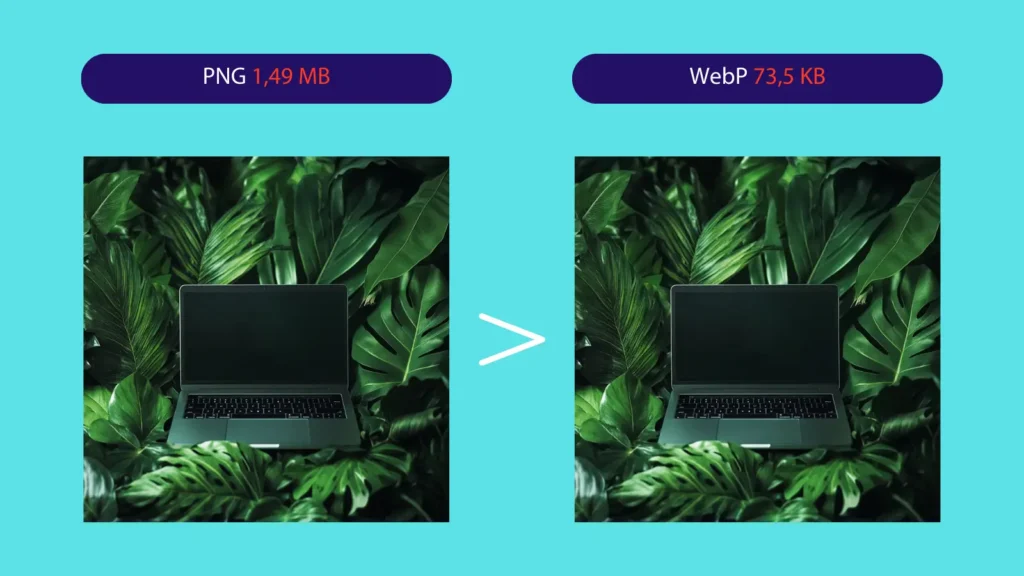
Heavy images slow your site down and push visitors away. Before you upload, trim them down with tools like TinyPNG or ImageOptim.
Clear, descriptive alt text helps search engines understand what’s on the page and makes your site accessible to everyone. Slip in a keyword where it fits naturally — no forcing it.
Fast, well-optimized visuals make your website feel professional and worth staying on.
How to Make a Website That’s Technically Optimized
Technical problems stay invisible until they start costing you visitors. A slow page or a ‘not secure’ warning can turn people away before they even see your content. To make a website that performs, you need a strong foundation. Speed and security aren’t nice-to-haves — they decide whether people stay or leave.
Why Website Speed Should Be Your Priority
A slow site kills engagement. When loading takes more than a few seconds, visitors click away. If you want to make a website that holds attention, focus on speed first. Google rewards faster pages because users do too.
Pick reliable hosting built for performance, optimize image sizes, and enable caching so pages load smoothly. Test your site with Google PageSpeed Insights to spot what’s holding it back.
A fast website earns trust and stays visible where it matters most — at the top of Google.
Build Trust with an SSL Certificate
An SSL certificate protects more than data — it protects trust. Google ranks secure sites higher because HTTPS keeps the connection between your visitor and server safe. Without it, browsers flag your page as ‘not secure,’ and people leave before reading a word.
To make a website that feels credible, install an SSL certificate. Most hosting providers include it for free, so there’s no excuse to skip it. HTTPS boosts visibility, builds confidence, and helps visitors stay longer.
Security is no longer optional. It’s the standard every serious website should meet.
Keep Your URLs Short and Descriptive
A URL works like a signpost on your website. It should be short, clear, and easy to understand at a glance.
Instead of www.mywebsite.com/page1234, use www.mywebsite.com/how-to-make-a-website. A clear link helps visitors know what they’ll find and makes it easier for Google to index your page.
Include your keyword naturally, but keep it simple. Skip long strings, random numbers, or special symbols that confuse users. A clean, readable structure improves both SEO and user experience.
When your URLs feel logical and well-organised, your website becomes easier to explore and easier to rank.
Don’t Skip Content Optimization for SEO
SEO optimization isn’t just about pleasing algorithms. It’s about writing content that actually helps people and feels natural to read. Strong headings give structure. Meta descriptions make users click. Well-written text keeps them on your page and builds trust.
If you want results, start with purpose. Use how to make a website naturally throughout your content so Google recognises what the page is about. Keep the flow clear, sentences focused, and value obvious.
When content works for people, SEO follows — and so do better rankings.
Structure Your Page with Smart Headings
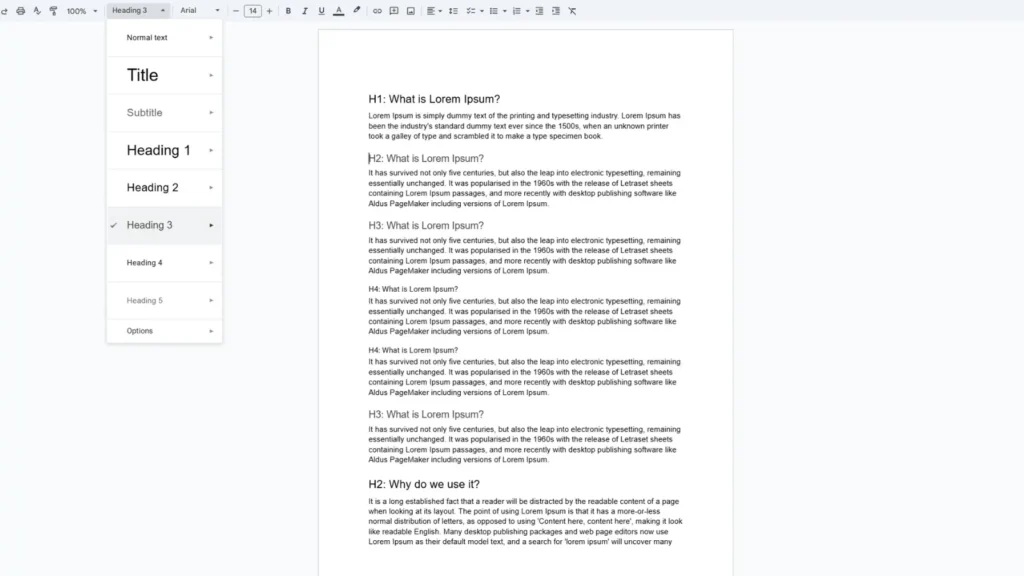
Headings hold your page together. They tell readers what’s important and help Google understand the flow of your content. Keep them clear and consistent so each section feels connected.
Your H1 should always be unique and include your main keyword since it’s the first signal search engines read. Use H2 and H3 headings to support your topic and include related keywords where they fit naturally.
Skip long, confusing titles that say little. Each heading should guide visitors smoothly through your page and make them want to keep reading. When structure and keywords align, SEO improves without forcing it.
How to Write Meta Descriptions That Drive Traffic
A meta description is small but powerful. It’s often the first thing people read in search results and the reason they decide to visit your page. Tell them right away why your site is worth the click and include your main keyword, such as how to make a website.
For example: ‘Learn how to make a website that’s fast, clear, and optimized for Google. Get practical tips that work.’
Keep it under 155 characters and make every word count. A short, direct call to action helps too. The goal is simple: make readers curious enough to choose you over everyone else.
Create a Website with Quality Content
Don’t write for search engines. Write for people. If you want to make a website that keeps visitors, focus on content that’s useful and engaging. Google notices when people stay longer, and that signals quality. Keep your structure clear, your headings purposeful, and your examples real. Avoid filler words or complicated phrasing that adds nothing.
When your content solves a problem or answers a real question, visitors trust you and return. Quality always wins over quantity, and a website built on valuable content performs better in every way.
Before you launch your website, check if it’s technically ready to rank. We covered the most common mistakes in our article ‘10 SEO and GEO Mistakes That Cost You Rankings’. Worth a read before you go live.
Good User Experience and Mobile Optimization
If people land on your page and feel lost, they won’t give it a second chance. A smooth user experience and proper mobile optimization make the difference between a quick bounce and a loyal visitor. Clear paths, fast response, and a layout that adapts to every screen create flow — the kind that keeps people moving forward instead of closing the tab.
Google notices that behaviour. Sites that work well on mobile and feel easy to use stay visible, while clunky ones fall behind.
If you want to make a website that performs, design it to feel natural from the first click.
How to Test and Improve User Experience
Every visitor comes to your website with a goal. Your job is to make sure they reach it without confusion. Is the layout clear? Do the menus make sense? Is it obvious where to click next?
Tools like Google Analytics and Hotjar show where visitors get stuck or leave. If you notice many people dropping off at a form, it’s probably too long or unclear. Keep testing, adjust where needed, and review the results.
The best websites are the ones that evolve based on how real people use them.
Why Google Favors Mobile-Friendly Websites
Google knows most browsing happens on phones. If your site feels slow or awkward on a small screen, visitors leave, and Google takes notice. To make a website that performs, choose a responsive design that automatically adapts to any device.
Check how your site performs with Google PageSpeed Insights. It shows what slows your pages down and how to fix it.
Smooth navigation, quick loading, and clean layout make your website both mobile-friendly and search-friendly — the combination that keeps visitors around.
Make Your Website Visible in Google Search
A website that isn’t visible on Google might as well not exist. To make a website that people can actually find, start by adding it to Google Search Console.
Then create a sitemap so Google can crawl and index every page.
These are small but crucial steps that turn your website from hidden to searchable. Without them, even the best content stays in the dark while your competitors take the clicks.
How to Submit Your Website to Google Search Console
Before your website can appear on Google, it has to be added to Google Search Console. Sign in, enter your website’s URL, and verify ownership. The simplest way is through a DNS record at your domain provider or by adding an HTML tag to your site’s code.
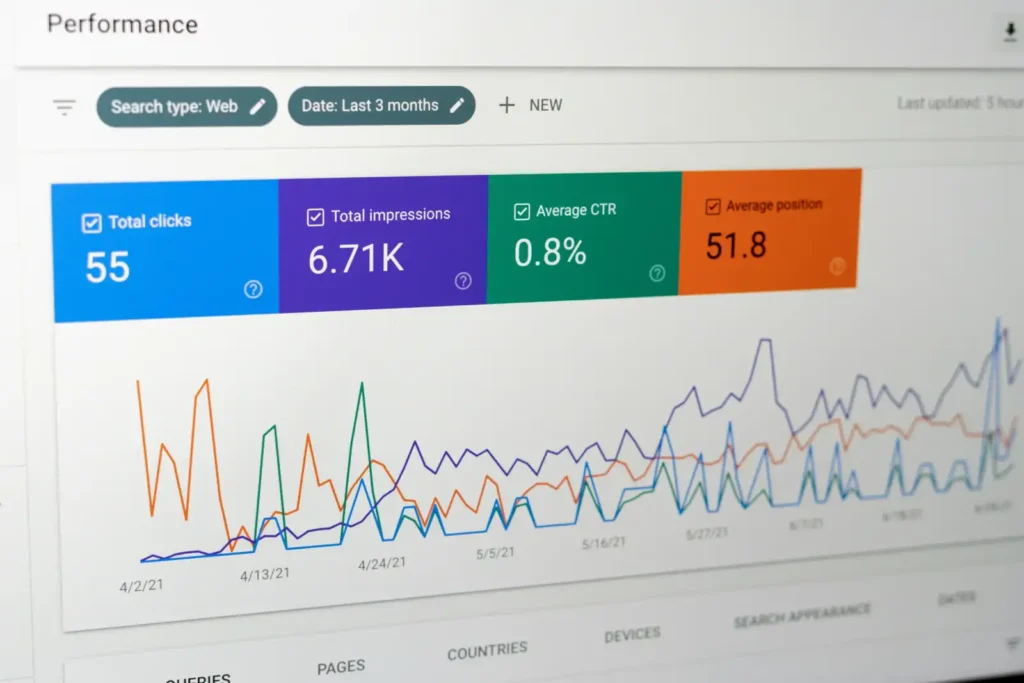
After verification, Google begins indexing your pages and showing performance data you can actually use — which keywords bring traffic, where you rank, and how visitors find you.
Without this step, your website is practically invisible on Google, and that’s the last place you want to be.
Why Every Website Should Have a Sitemap
A sitemap works like a map for Google. It shows which pages matter most and how they’re connected, helping the search engine crawl your website more efficiently.
If you’re using WordPress, the Yoast SEO plugin automatically generates a sitemap and gives you a link such as www.yourdomain.com/sitemap.xml.
Submit that link to Google Search Console so Google can index your pages faster and with better accuracy.
It helps your key content appear in search sooner, making it easier for people to find you. Without a sitemap, important pages can easily be overlooked.
How to Make a Website with Quality Backlinks
Backlinks remain one of Google’s biggest ranking signals. If you want to make a website that earns them naturally, create content people want to share and reference. Then look for relevant websites or blogs where collaboration makes sense — guest articles, expert contributions, or joint projects that connect audiences on both sides.
If you run a recipe website, partner with local food creators or culinary schools to share authentic ideas that benefit everyone involved.
Why Natural Links Always Win
Buying backlinks might seem like a quick win, but it rarely lasts. Google flags and penalises artificial links, which can hurt your visibility for months. Genuine backlinks earned through partnerships and useful content, on the other hand, build long-term authority and trust.
Ten honest links from respected sources will always outperform a hundred that you paid for.
How to Make a Website That Brings Real Results
Once you figure out how to make a website that both people and Google value, the rest becomes simpler. It takes time and focus, but it pays off.
A fast site with strong content and a clean design keeps visitors engaged and search engines happy. Get the basics right early, and you’ll save yourself from endless fixes later. If you’d rather have experts handle it, reach out at hello@madwise.si or call +386 31 370 639. We’ll take your idea, shape it into a website that works, and make sure it starts bringing results.